Guinea fowl meat
from Galliland!
One of the most appreciated types of meat in European cuisine, rediscovered for its delicate taste and exceptional nutritional value.
Guinea fowl meat with authentic flavor
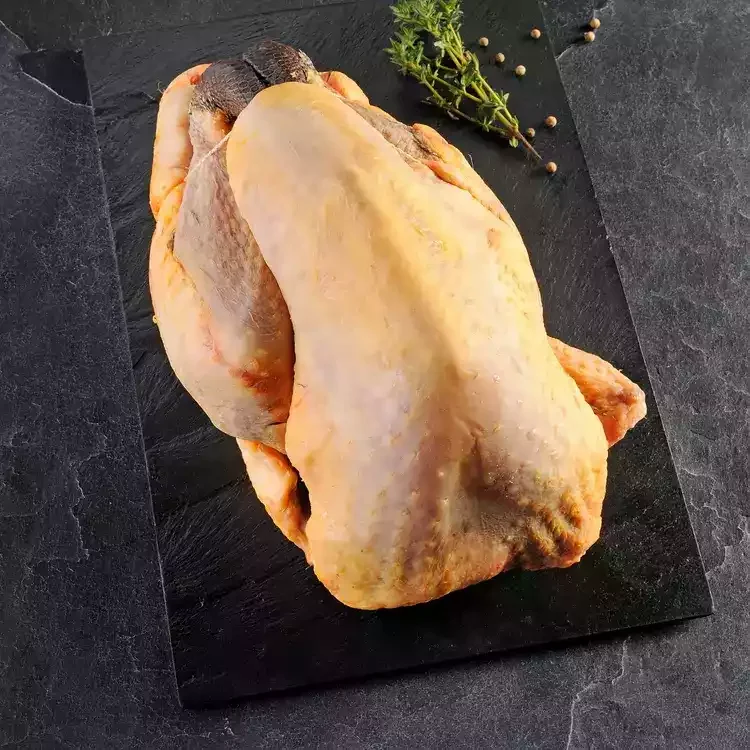
Guinea fowl meat is one of the most appreciated types of poultry in European cuisine, known for its delicate, game-like flavor and exceptional nutritional value.
Although its consumption in Romania is still low compared to other countries, interest in this noble food is growing steadily as consumers discover its nutritional benefits and distinct taste compared to other types of meat.
More and more Romanian consumers are looking for local, healthy, and authentic products. Guinea fowl meat meets these expectations perfectly: it is nutritious, flavorful, sourced safely, and suitable for both traditional and modern dishes, while also being easy to cook.
Through its work, Galliland contributes to the revival of an ancient culinary tradition, offering premium meat that is produced responsibly, with respect for nature and the consumer.
The origin and history of the guinea fowl
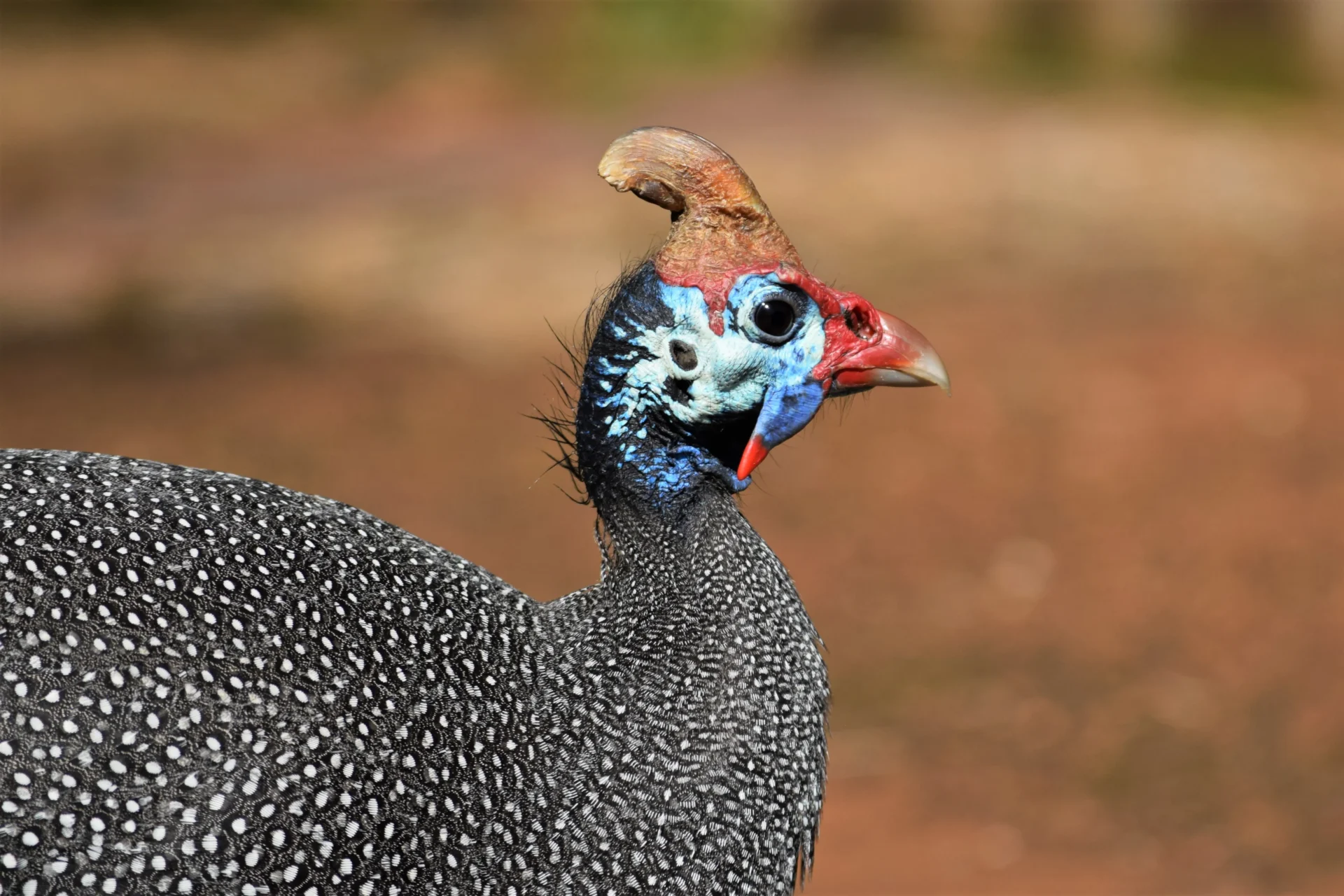
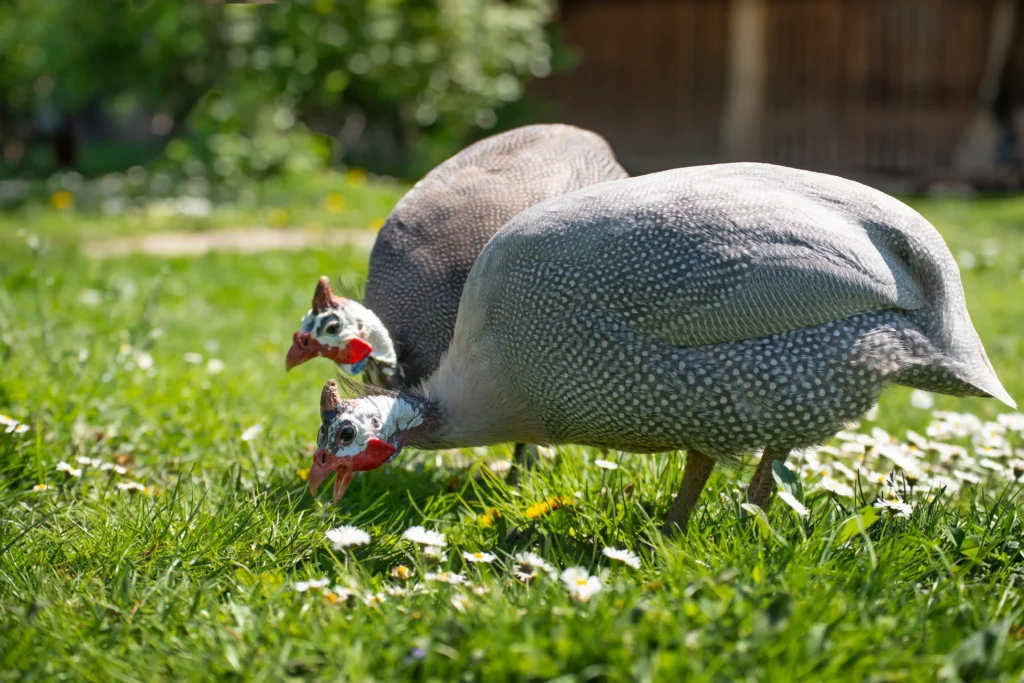
The guinea fowl (Numida meleagris) has African origins and is one of the oldest birds domesticated by humans. In ancient times, it was considered a luxury delicacy at the tables of Greek and Roman nobles. The Romans brought guinea fowl to Europe, and they later spread widely in France, Italy, and Spain, where they became a constant presence in gastronomy.
In Romania, guinea fowl arrived later, initially being raised in small households as a rustic bird, appreciated for its resilience and the intense flavor of its meat.
Today, guinea fowl is increasingly present both in traditional households and in the kitchens of those who appreciate authentic flavors.
We are the first sustainable farm in Romania equipped with state-of-the-art technology, offering Romanian guinea fowl meat raised responsibly and under conditions that meet the highest European standards of quality, hygiene, and food safety.
Nutritional value and health benefits
Guinea fowl meat has an excellent nutritional profile. It is rich in high-quality protein and low in fat and cholesterol.
Compared to chicken or turkey, guinea fowl meat has a denser texture and a more complex flavor, similar to that of game, making it ideal for refined dishes.
Excellent source of protein
Guinea fowl meat is rich in protein, a vital part of the human body. Protein is used to strengthen and maintain muscles. It is essential for many parts of the body, including the immune system and hormone production.
According to one source, guinea fowl meat has about 28% protein, which is more than chicken meat (which has only 23% protein). Therefore, guinea fowl provides more protein and amino acids than chicken, which makes it even healthier. Eating guinea fowl can help you meet your daily protein requirements, which is often more difficult than many people realize.
Low fat and cholesterol content
Guinea fowl meat is a lean protein, which means it is low in fat and cholesterol. Although these substances are important for the body, our diet is often too rich in them. Therefore, a diet high in fat can cause cardiovascular disease.
According to some sources, guinea fowl meat has about 3% fat, which is less than chicken meat, which has about 11% fat. Therefore, guinea fowl meat is much leaner. That said, guinea fowl meat still contains some beneficial fats, such as omega-3 fatty acids. These can reduce inflammation, improve blood flow, and prevent blood clots. A 100-gram serving of guinea fowl meat can provide about 0.2 grams of omega-3 fatty acids, which is about 10% of the recommended daily intake for adults.
Rich in essential vitamins and minerals
Guinea fowl meat contains many different vitamins and minerals, helping to ensure you get everything you need. Everyone needs vitamins and minerals to survive, as they are responsible for most of our body’s functions.
For example, here are the estimated amounts of vitamins and minerals in 100 g of guinea fowl meat:
Calcium: 13 mg (1% of NRV), Iron: 2,8 mg (16% of NRV), Magnesium: 23 mg (6% of NRV), Phosphorus: 226 mg (23% of NRV), Potassium: 383 mg (8% of NRV), Sodium: 64 mg (3% of NRV), Zinc: 2,4 mg (16% of NRV), Vitamin A: 12 mcg (1% of NRV), Vitamin B1 (thiamine): 0,1 mg (7% of NRV), Vitamin B2 (riboflavin), Vitamin B3 (niacin), Vitamin B5 (pantothenic acid): 1,3 mg (13% of NRV), Vitamin B6 (pyridoxine): 0,5 mg (25% of NRV), Vitamin B9 (folate): 5 mcg (1% of NRV), Vitamin B12 (cobalamin): 0,4 mcg (17% of NRV)
Refined aroma and texture
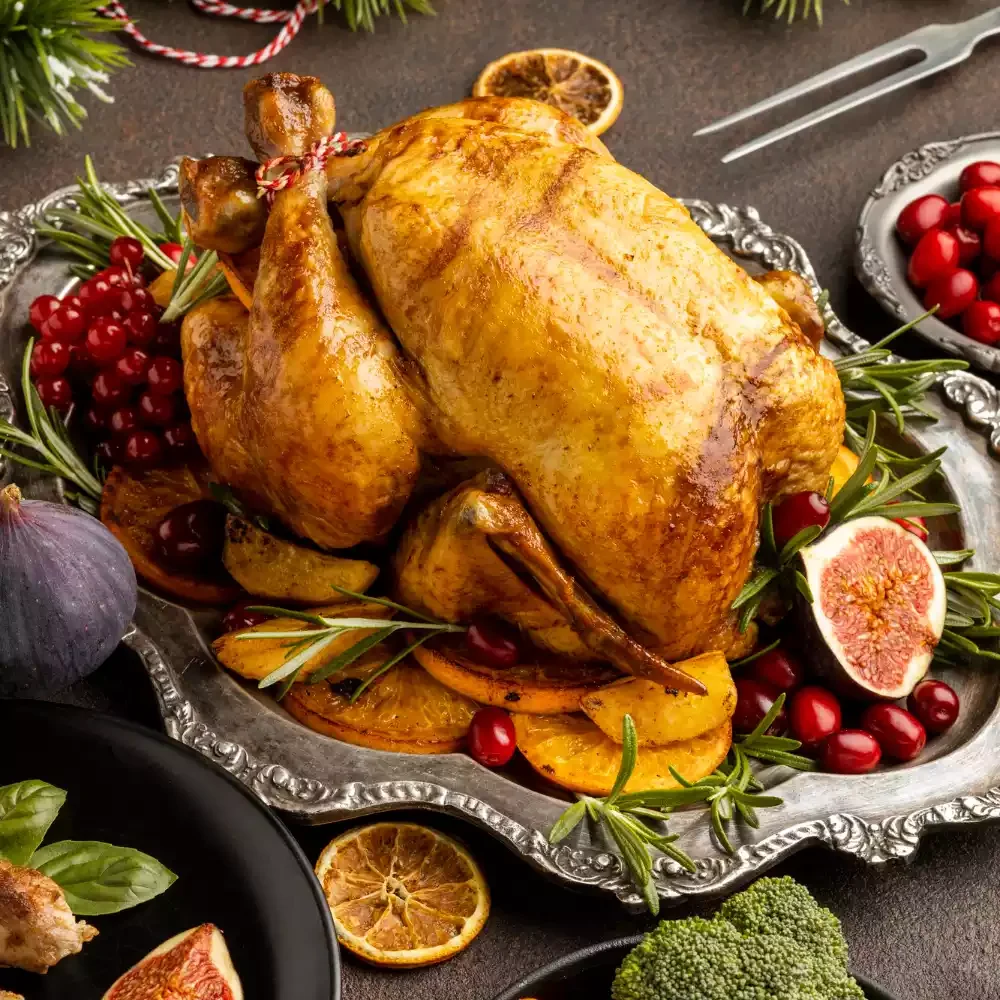
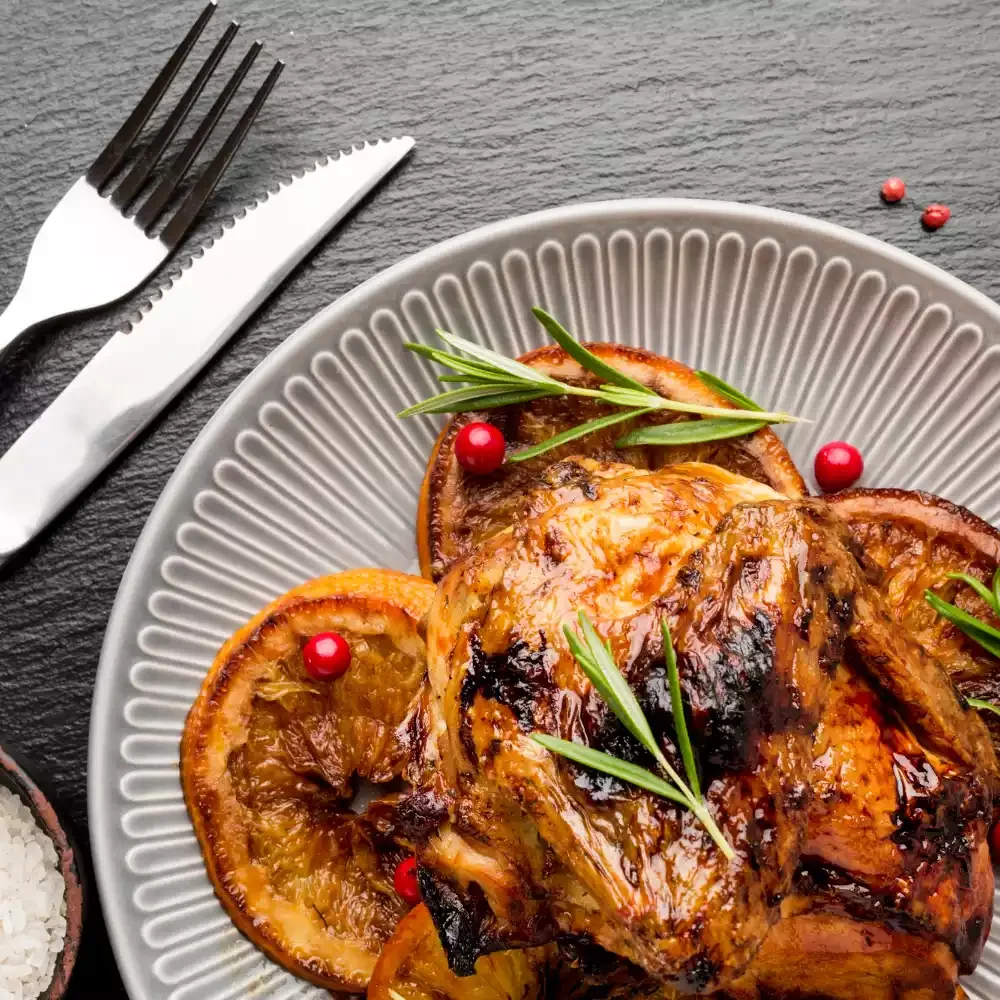
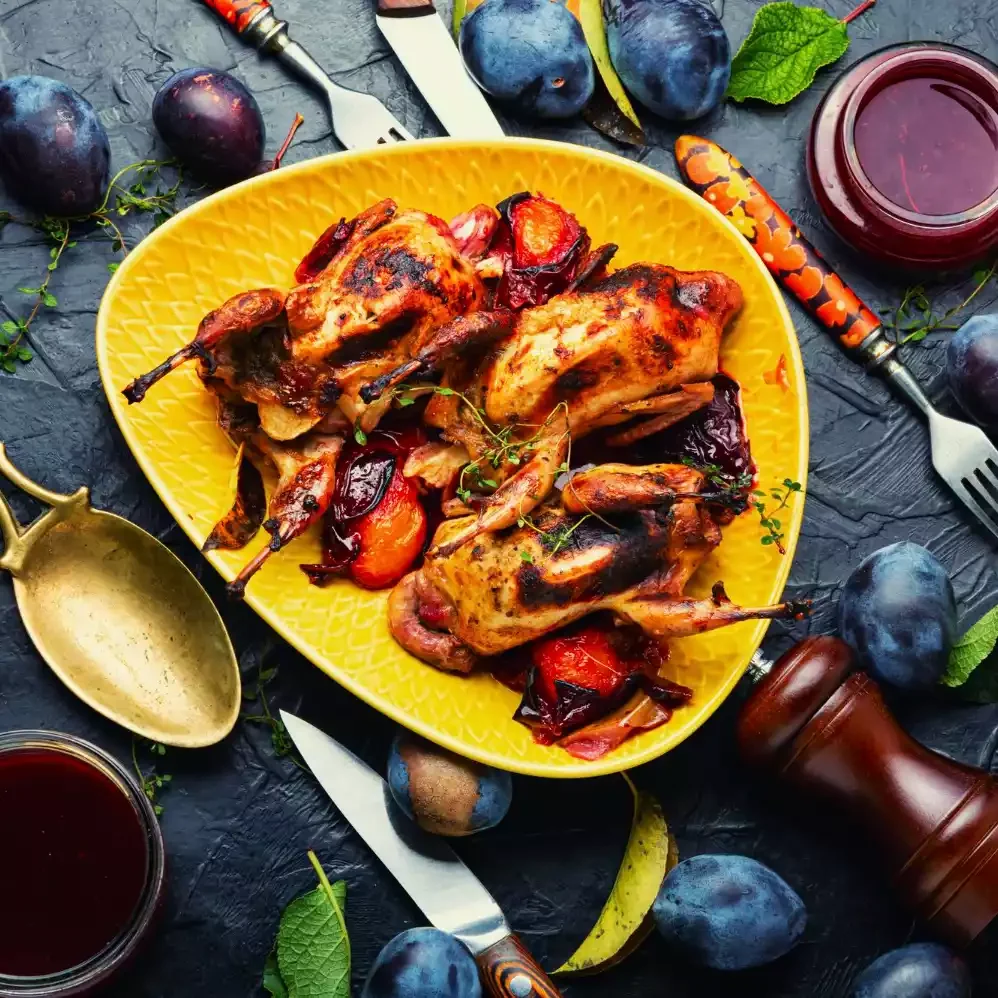
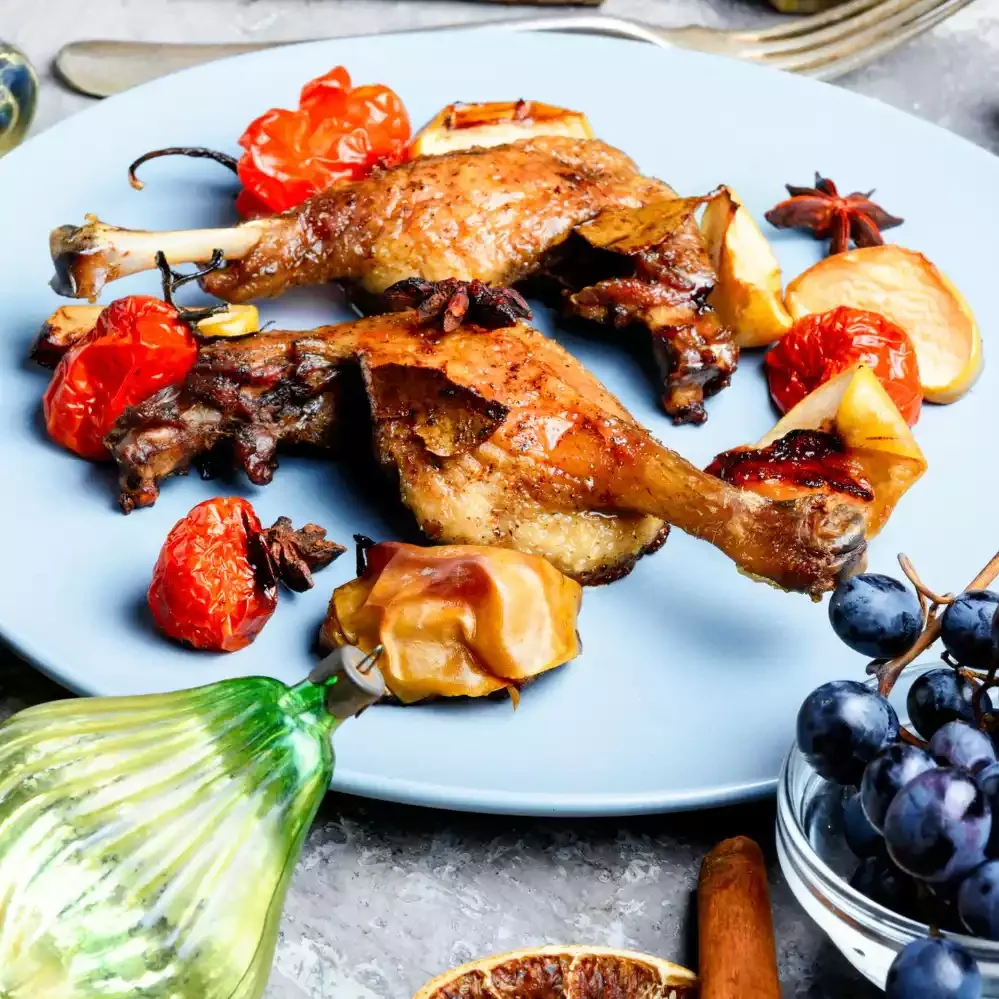
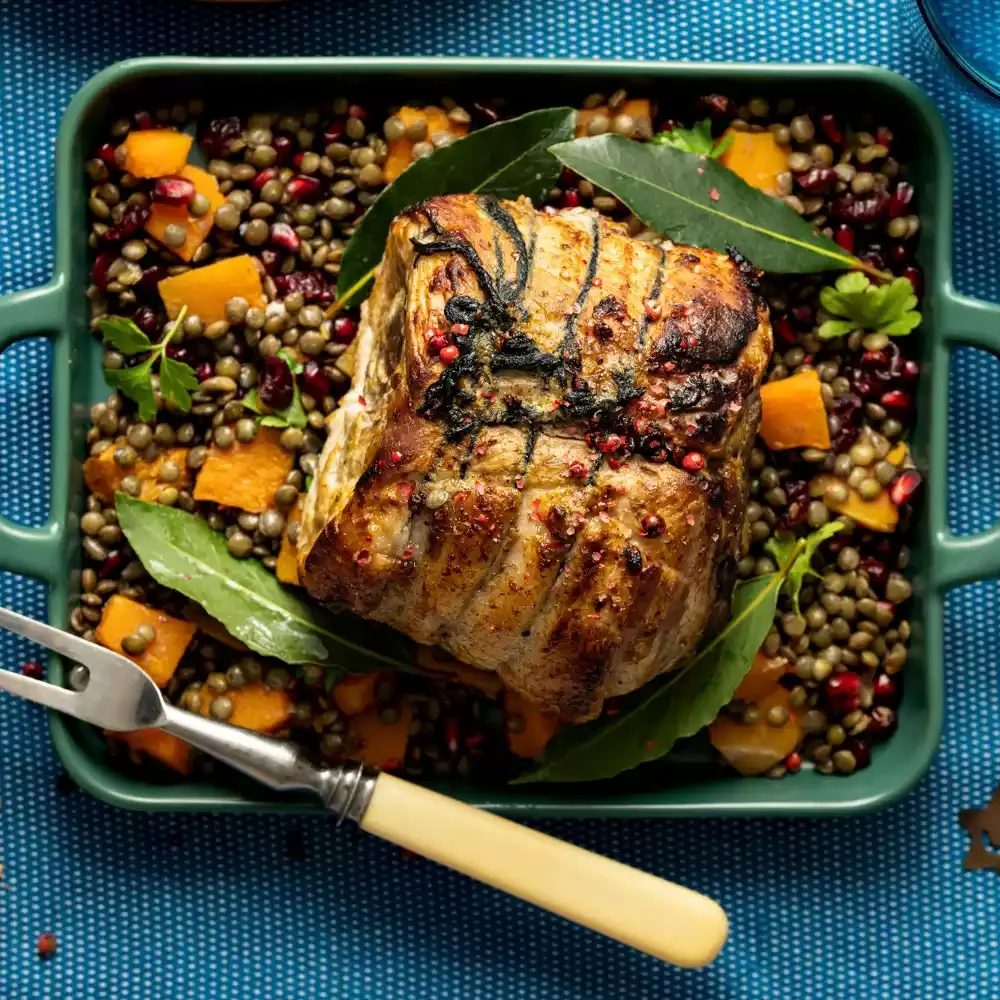
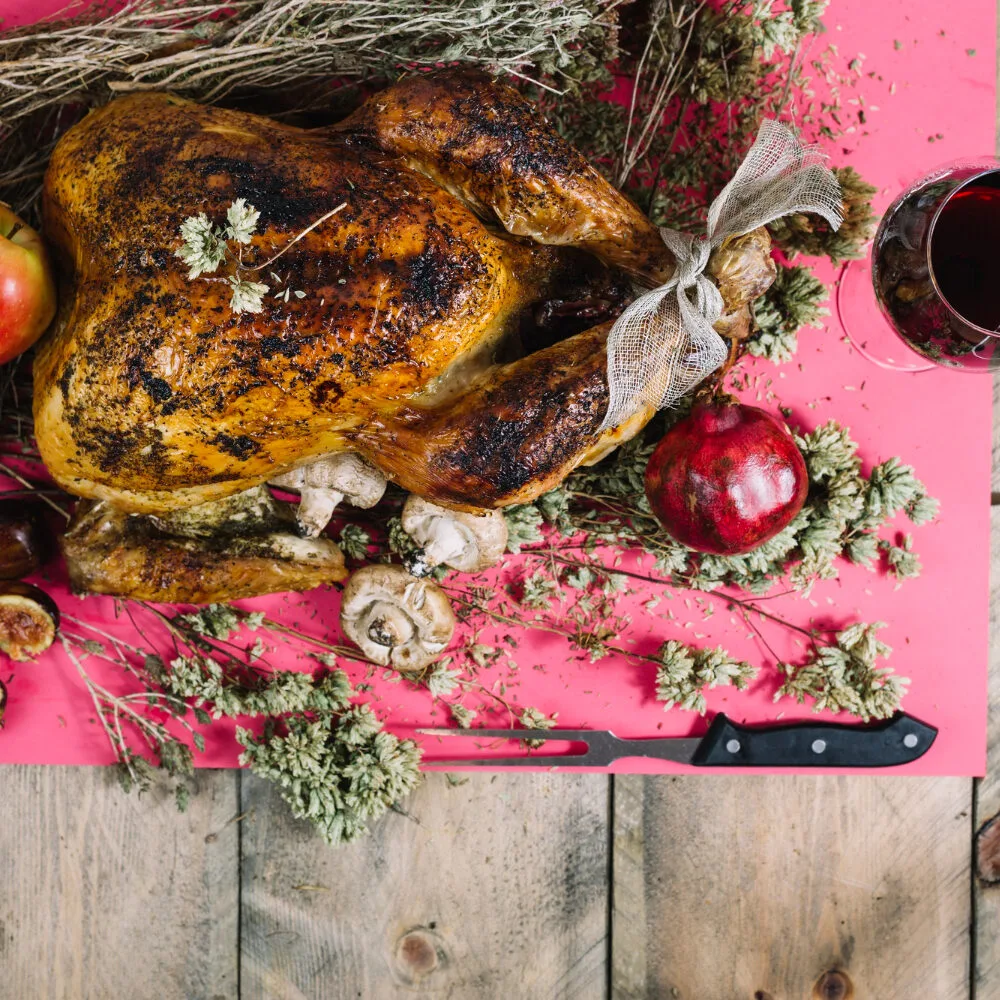
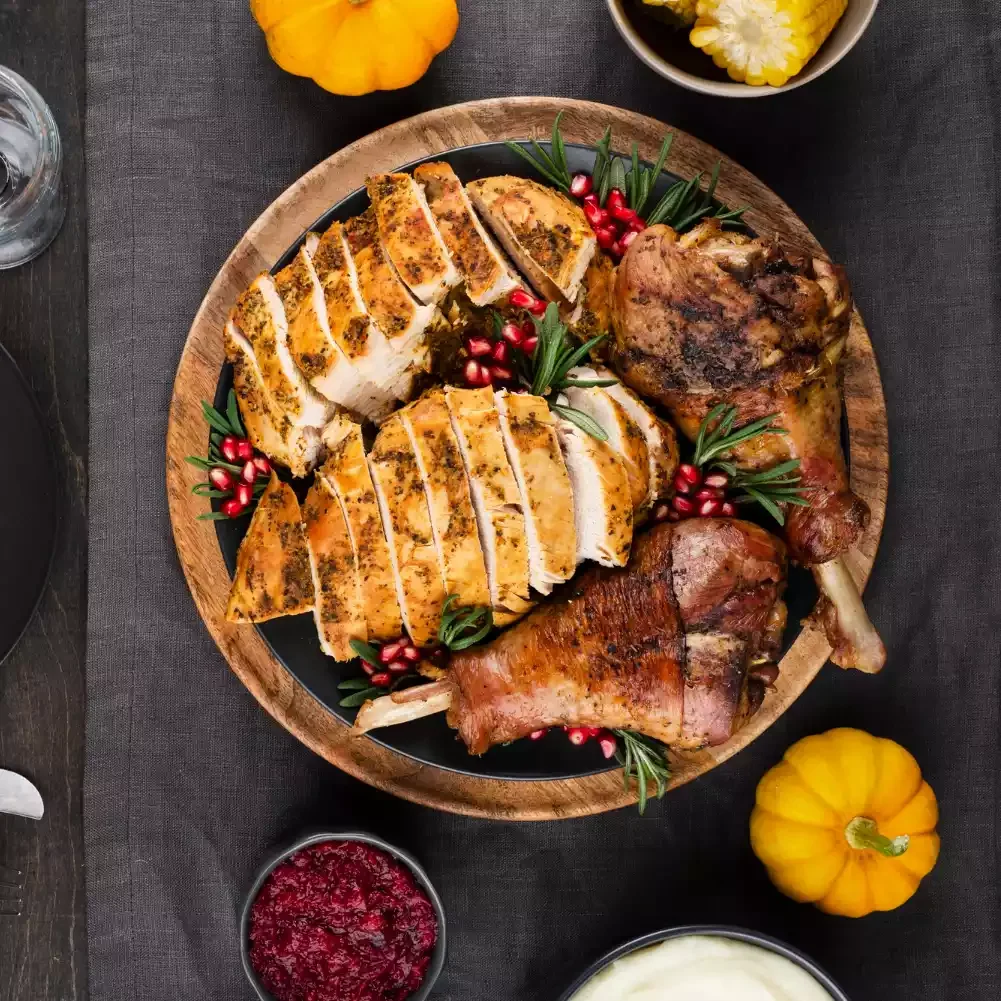
Simply put, many people enjoy the taste of guinea fowl meat, which is similar to that of pheasant. However, the texture is not as dry and stringy. Guinea fowl meat is darker in color and has a stronger flavor than other poultry. You can prepare it in many of the same ways you would prepare chicken or turkey. Therefore, you don’t have to completely reimagine your meals to enjoy it. It is excellent in soups. The meat also goes well in salads. Some of the common seasonings for guinea fowl are garlic, rosemary, thyme, sage, lemon, mustard, berries, honey, wine, in addition to pepper and salt.
How to consume guinea fowl meat
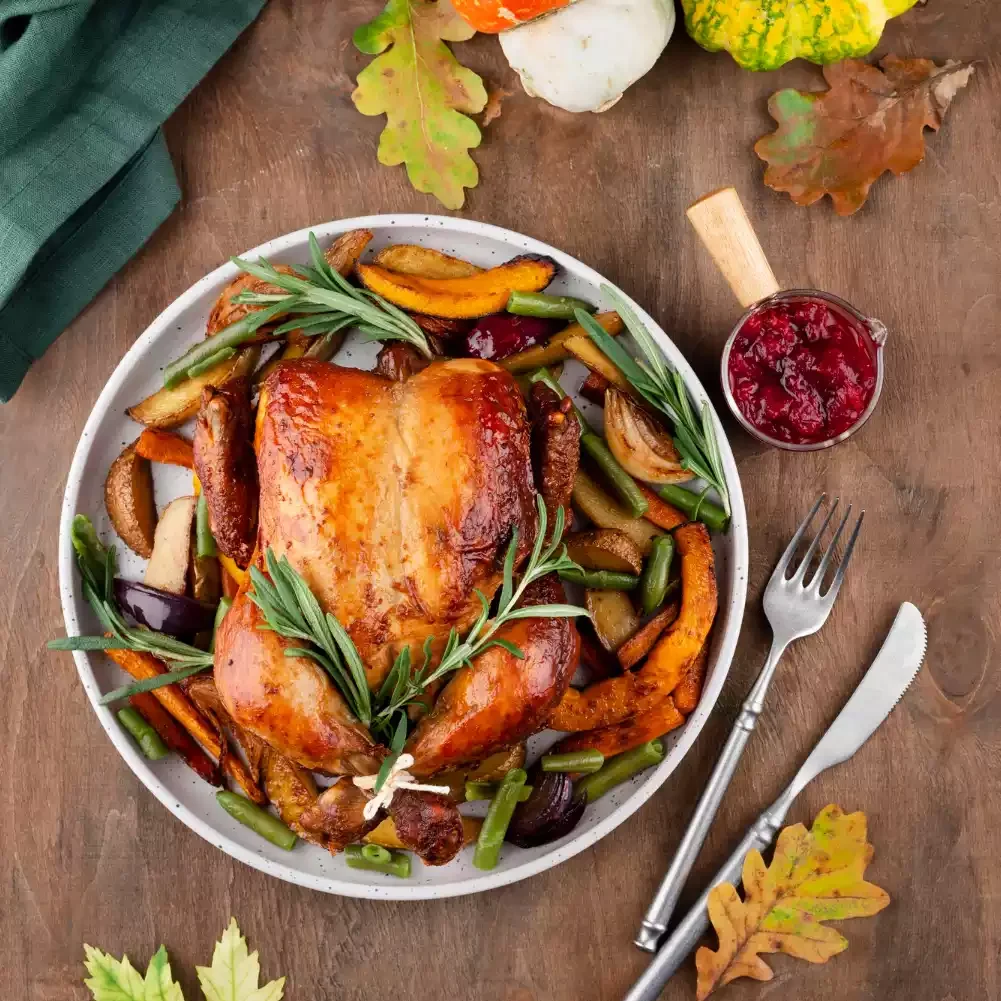
“Guinea fowl delicacy” refers to guinea fowl meat, a highly appreciated type of poultry, especially in gourmet and exotic restaurants and hotels, where it is considered a true delicacy and often compared to the flavor of game meat.
Therefore, it can be a special treat for the family on special occasions. It is excellent in soups due to its rich, intense, game-like flavor.
Equally important, you don’t need to learn anything sophisticated to cook guinea fowl. For the most part, you can prepare it just like any other poultry.
It doesn’t require many spices or marinating, as it is very flavorful on its own. For example, you can roast it, grill it, fry it, or braise it, depending on your preferences. And although recipes can make the dish more interesting, there is no need for anything complicated.
The first sustainable farm in Romania dedicated exclusively to guinea fowl.
From household to modern production
For a long time, guinea fowl were raised almost exclusively on small farms, which limited access to safe meat with strict quality control.
Today, with the emergence of Romania’s first sustainable farm specialising in the breeding and processing of guinea fowl – Galliland – this product is becoming available in a controlled form.
The Galliland farm integrates the entire process – from incubation and rearing to slaughter and packaging – ensuring complete traceability and consistent meat quality.
The birds are fed naturally, without antibiotics, hormones, or animal meal, and the breeding facilities comply with European animal welfare standards.